Get exclusive offers, new product updates & helpful resources straight to your inbox.
By subscribing, you agree to our Privacy Policy and consent to receive updates from our company.
Bagasse & Sugarcane Packaging Explained | Sustainable Food Service
Latest News & Updates
Bagasse & Sugarcane Packaging Explained: Why It’s Becoming Australia’s #1 Choice for Sustainable Food Service
2 February 2026
Sustainability is no longer a niche concern in the Australian food service industry — it’s fast becoming a business requirement. From cafés and takeaway shops to large hospitality groups, operators are under growing pressure to reduce plastic waste while still delivering functional, affordable packaging.
At the centre of this shift is bagasse, a plant-based material made from sugarcane pulp, which is rapidly emerging as Australia’s preferred solution for eco-friendly food packaging. Used to produce sugarcane bowls, plates, containers, and eco plates, bagasse offers a rare combination of sustainability, performance, and practicality.
So what exactly is bagasse, and why is it becoming the go-to packaging choice across Australia?
What Is Bagasse (Sugarcane Pulp)?
Bagasse is the fibrous by-product left after sugarcane stalks are crushed to extract juice. Rather than being discarded as waste, this sugarcane pulp is processed, cleaned, and moulded into strong, food-safe packaging products.
Because bagasse is derived from agricultural waste rather than newly grown raw materials, it is widely regarded as one of the most sustainable alternatives to plastic and paper-based food packaging.
Common bagasse products include:
Sugarcane bowls
Sugarcane plates
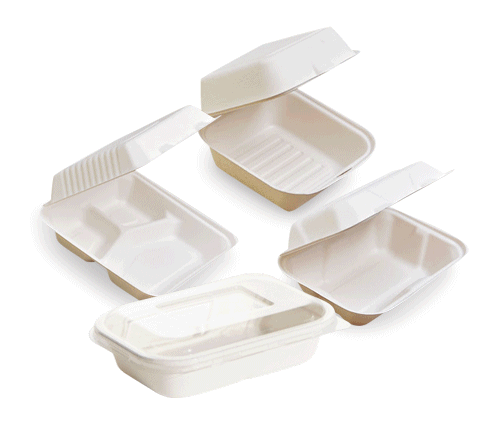
Clamshell containers
Trays and portion boxes
Compostable food packaging
Why Bagasse Packaging Is Taking Over Australian Food Service
1. Truly Sustainable & Renewable
Unlike plastic, bagasse is made from a renewable plant resource and utilises material that would otherwise go to waste. This aligns strongly with Australia’s growing push toward a circular economy and reduced landfill dependency.
2. Compostable & Biodegradable
Bagasse products are biodegradable and, in commercial composting conditions, break down naturally. Many sugarcane plates and bowls are certified compostable, making them suitable for councils and waste contractors that accept compostable packaging streams.
3. Plastic-Free Without Sacrificing Performance
One of the biggest advantages of sugarcane packaging is that it performs like plastic — without the plastic.
Bagasse containers are:
Heat-resistant
Microwave-safe
Suitable for hot, wet, and oily foods
Rigid and stackable
This makes them ideal for curries, noodles, burgers, salads, and mixed meals.
4. Compliant with Australian Plastic Bans
With single-use plastic bans now active across multiple Australian states, food businesses are actively searching for compliant alternatives. Sugarcane bowls and eco plates meet most state regulations, helping businesses stay compliant without operational disruption.
5. Strong Consumer Appeal
Today’s customers notice packaging. Eco-friendly bowls and biodegradable plates send a visible message that a business is making responsible choices — a factor that increasingly influences purchasing decisions, especially among younger consumers.
Bagasse packaging now covers a wide range of food service needs:
Sugarcane Bowls
Ideal for poke bowls, salads, rice dishes, curries, and pasta. These bowls are sturdy, breathable, and often paired with compostable or recyclable lids.
Sugarcane Plates & Eco Plates
Perfect for dine-in, food courts, events, and catering. Eco plates made from sugarcane pulp offer rigidity similar to traditional plates while being disposable and compostable.
Containers & Clamshells
Commonly used for takeaway meals, burgers, and mixed foods. Bagasse clamshells provide excellent insulation and leak resistance.
Is Bagasse Packaging More Expensive?
While bagasse products were once significantly more expensive than plastic, pricing has become increasingly competitive as demand and manufacturing scale have grown.
For many businesses, the cost difference is now marginal — and often offset by:
Compliance with plastic bans
Improved brand perception
Reduced environmental levies
Increased customer goodwill
As a result, many operators now see sugarcane packaging as a long-term investment rather than a premium add-on.
Why Hospitality & Sustainability Groups Support Bagasse
Bagasse packaging has gained strong support from:
Hospitality groups seeking scalable sustainable solutions
Eco-focused publications covering green innovation
Its ability to balance environmental responsibility with real-world usability is what sets it apart from many alternative materials.
The Future of Bagasse in Australia
With continued regulatory pressure on plastics and rising consumer expectations, bagasse and sugarcane pulp packaging are expected to become standard, not optional, in Australian food service.
As innovation continues, we’re already seeing improvements in:
Lid compatibility
Moisture resistance
Stackability
Visual presentation
All signs point to sugarcane packaging playing a central role in the next generation of sustainable food service solutions.
Explore our Sugarcane Bagasse Range
If you’re looking to transition to sustainable food packaging, our sugarcane range offers practical, plastic-free solutions for takeaway, delivery and food service. Manufactured from renewable sugarcane pulp (bagasse), these products are designed to handle hot, wet and oily foods while meeting compostable and sustainability requirements.